© 2026 Roger Fontaine, Designed by Bison Software

Metalman9
M
E
T
A
L
M
A
N
9


M
E
T
A
L
M
A
N
9


Ph: 204-223-7809
METALMAN9
Ph: 204-223-7809
METALMAN9
Click the date link, then a photo to start larger photo gallery & see descriptions

May 7, 2026 - Churchill Dive Park in Riverview
May 7, 2026
Churchill Drive Park in Riverview.
So
here
we
are:
Winnipeg,
May
5th,
-2
C
with
snow
on
the
ground.
Yes,
SNOW,
with
a
30%
chance
of
rain
this
afternoon.
Our
daytime
high
is
expected
to
reach
+
3
C.
It’s
a
perfect
day
to
go
metal
detecting
in
Winnipeg!
Of
course it is.
With
that
in
mind,
Monty
and
I
decided
to
push
back
our
outing
to
Thursday,
May
7th.
So
much
for
braving
the
elements
eh!
It’s
a
hobby,
not
a
life
sentence.
We
met
up
at
Churchill
Drive
Park
a
few
days
later.
This
is
my
first
time
here.
Monty’s
been
here
a
number
of
times
before
and
he’s
talked
me
into
trying
out
this
location.
He’s
made
some
good
finds
here
in
the
past.
The
park
boasts
a
gorgeous
view
of
the
Red
River
as
it
curves
its
way
north
around
Riverview.
It
is
quite
an
extensive
park,
but
narrow.
Old
city
archival
maps
show
this
area
to
have
been
very
active
in
the
past.
In
other
words,
there’s
a
lot
of
history
under
our
feet.
Now,
let’s
see
if
this
place
lives
up to its reputation.
Monty
was
right!
This
park
does
offer
some
good
finds
but there is a lot of deep buried trash too.
He
found
a
homemade
brass
wrist
bracelet
with
a
large
amethyst
stone.
It
is
classic
1960’s
to
early
70’s
Hippie’s
bling.
Monty
asked
me
what
I
thought
it
was,
I
said
it’s
Gaudy!
But
truth
be
known,
this
is
a
classic
piece
of
jewelry.
Where’s
the
Antiques
RoadShow
when
you
need
them?
Like
most
city
parks
and
open
landscapes,
the
top
horizon
of
the
soil
is
where
the
easy
finds
are,
like
the
1987
Loonie,
found
between
surface
tree
roots.
There
is
a
top
layer
of
nice
top
soil
followed
by
trashy
clay
fill
bottom
that
was
used
to
level
out
the
field.
One
of
the
deep
hits
that
I
came
across
was
the
Kipper
Snacks
tin
can.
At
5
inches
in,
it
rang
like
a
bell
on
my
detector.
The
soil
is
still
very
moist
from
spring
melt
and
deep
objects
appear
closer
than
you
think.
It’s
at
about
4
inches
in
that
I
pulled
out
a
1959
(Year
of
my
birth)
penny.
The
other
early
penny
was
1964,
and
the
remainders
were
mostly
from the 1980s, much like last week’s hunt.
See:
April 30, 2026 Optimist Park in Old St. Boniface.
The
tally
is:
$1.16
found
between
the
both
of
us,
1
golf
ball,
9
bottle
caps
(they
beep
like
nickels
so
you
have
to
dig
them
up),
3
pull
tabs,
1
house
key
and
the
lock
mechanism
to
go
with
it;
maybe.
There
was
also
a
brass
belt
buckle
and
a
3”
craft
pin.
The
larger
pieces
like
the
7”
by
4”
trowel,
the
big
nail
and
rod
were
found
in
the
bushes
along
the
walking
trail
that
skirts
the
river.
Yes,
there
is
a
lot
of
“junk”
deep
in
the
woods
from
what
appears to have been encampments.
The
purpose
of
this
exercise
is
to
show
what
can
be
found,
or
not,
in
city
parks.
There
is
variety
here.
Open
park,
walking
trails
and
river
side
woods.
It
is
a
great
way
to
start
off
a
new
metal
detecting
season.
Know
your
site
and hunt accordingly. Best of luck to all of you out there.
Roger
Reference:
https://en.wikipedia.org/wiki/History_of_the_hippie_move
ment
https://hippieshop.com/collections/jewelry?srsltid=AfmB
Oorbl9Tl4O-wO8DMW-
4drQNSCGAySjT4PdLclQpow0NAQiJDeHQT


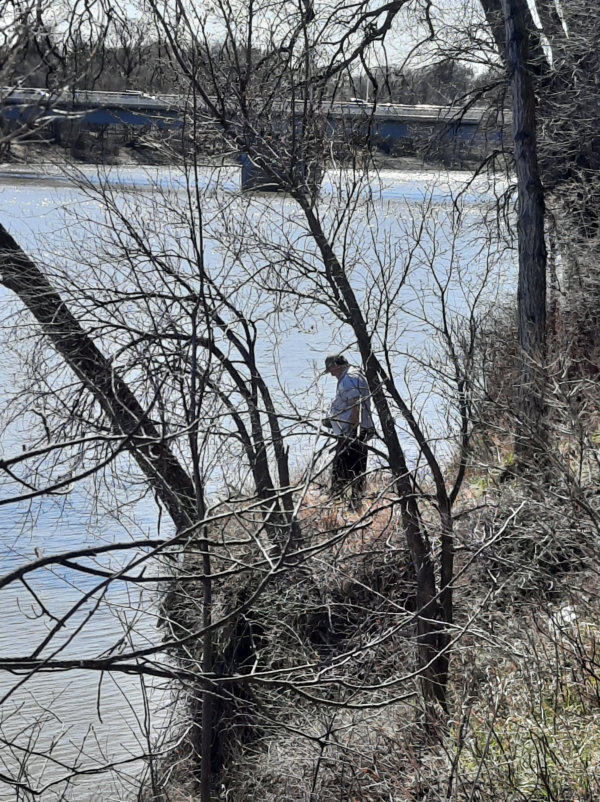


May 12, 2026 - Two Little Points
May 12, 2026
Two Little Points.
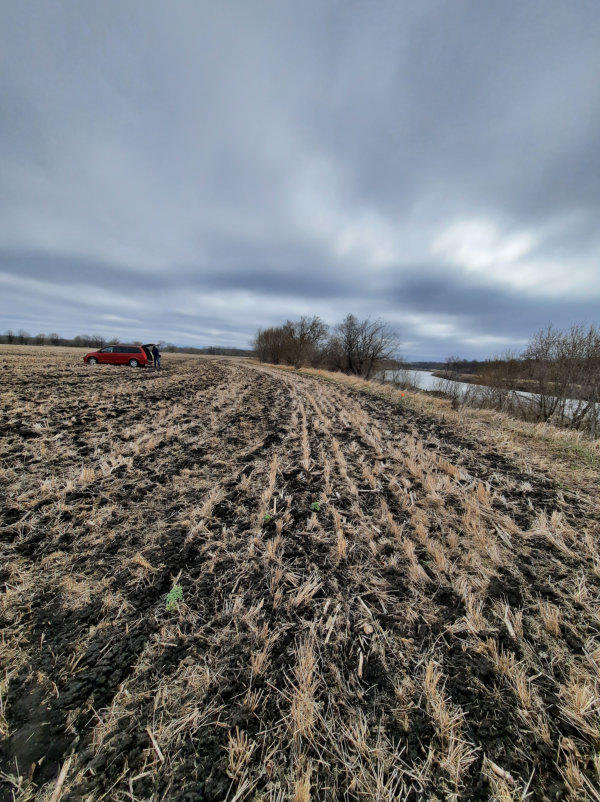
Finally,
after
a
long
winter
I
am
back
on
a
farm
field.
Accompanying
me
is
Keystone
Detectorist
Club
(KDC)
member
Ray.
It’s
very
windy
out
so
a
warm
jacket
and
gloves
are
definitely
needed.
The
soil
conditions
are
interesting;
dry
and
powdery
for
the
first
2
inches
on
the
top then moist thereafter and clay being clay, well tacky.
The
highlights
of
the
day
were
two
fold.
I
managed
to
find
silver,
a
1939
Canadian
dime
and
at
least
one
good
sherd
of
pottery,
possibly
two.
Ray
found
himself
a
lucky
horseshoe
and
together
we
collected
40
lbs.
of
metal,
mostly
iron…
mostly
Ray’s
doing.
I
ended
up
picking
up
a
lot
of
glass
and
ceramics
too.
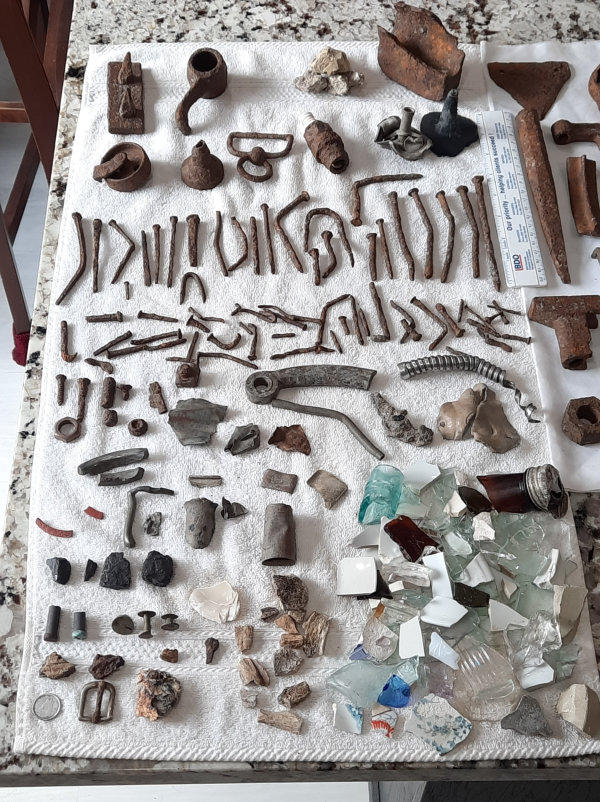
The
volume
of
it
all
took
two separate takes of photos.
This
site
never
ceases
to
provide
a
wide
variety
of
finds.
I’ve
been
metal
detecting
here
for
six
years
now
and
the
material
just
keeps
on
showing
up.
I
thought
I’d
spotted
an
arrowhead…
looks
like
an
arrowhead,
has
the
point
and
the
back
end
of
an
arrowhead,
so
I
called
Ray
over
for
the big reveal… It’s a broken clamshell. Aaahhhh….
The
larger
looking,
round
copper
cylinder
revealed
a
distinct
ornate
design
once
it
was
cleaned.
I
reached
out
to
my
friend
and
fellow
KDC
member
Randy
who
immediately
identified
the
artifact
as
a
“Trench
Lighter”.
Other
notable
items
found
are
two
copper
grommets
and
a
buckle
that
were
probably
part
of
horse
tack.
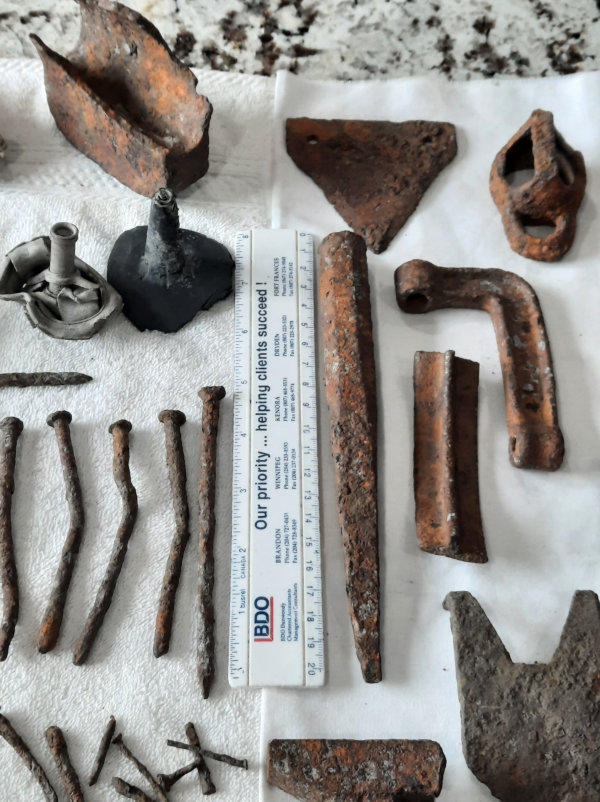
The
two
black
graphite
round
items,
one
with
verdigris
on
it,
are
the
cores
of
a
dry
cell
battery.
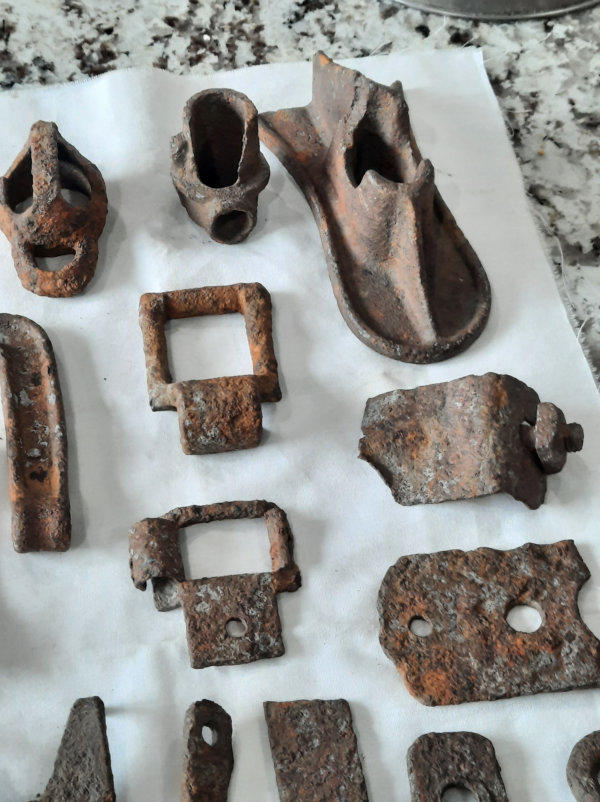
The
shoe
anvil
for
making
shoes is unfortunately broken.
An
8
inch
punch
and
the
half
of
an
axe
head
were
also
found.
That
thing
with
the
two
spikes,
well
that’s
anyone’s
guess. Let’s just call it Vintage Goth !
Roger
Reference:
https://en.wikipedia.org/wiki/Dry_cell







May 15, 2026 - A Quest for the Principal Meridian Marker
May 15, 2026
A Quest for the Principal Meridian Marker.
Here
we
are,
seven
of
us,
the
hardcore
crew,
braving
the
strongest
winds
we’ve
ever
seen.
It’s
a
beautiful
day
for
metal
detecting.
Not
too
hot,
not
too
cold,
not
wet,
just
super
windy.
Anyone
bring
a
boat
anchor
to
keep
you
tied
down, opps… there goes my hat again.
I
have
a
saying…
the
moment
you
find
something
good
when
metal
detecting:
like
a
1907
Canadian
Silver
Dime
for
example,
you
might
as
well
pack
up
and
go
home
already,
because
that
was
the
find
of
the
day
by
Chuck…
we
weren’t
even
out
twenty
feet
into
the
field
yet,
on
our
way
to
our
first
destination,
when
there
it
was:
Treasure!
Chuck’s other big find was a Blackberry phone. Really?
A
big
thank
you
from
all
of
us
goes
out
to
Roger,
the
land
owner,
who
has
generously
allowed
us
access
to
his
property
to
search
for
the
Principal
Meridian
Marker.
We
had
assumed
that
it
would
be
located
at
a
spot
that
lies
directly
south
of
the
Bourne
off
the
highway
that
states
“about
half
a
mile
south
of
this
site”.
The
north
south
section
line
for
land
passes
right
through
the
monument
so
that’s
where
we
started
looking.
However,
new
historical
information
tells
us
that
the
surveyors
chose
a
spot
exactly
60
miles
from
the
US
border
and
10
miles
west
of
the
Red
River.
Roger,
the
land
owner,
says
that
he
has
seen
the
marker,
a
large
brass
disc,
at
a
slightly
different
location
and
that
it
sits
about
10
to
12
inches
deep.
He
was
kind
enough
to
drive
me
over
to
where
remembers
having
seen
it
some
years
ago.
A
farm
field
becomes
a
very
large
space
once
you’ve
got
boots
on
the
ground and you’re swinging a 14” coil around.
No,
we
didn’t
find
the
Principal
Meridian
Marker
on
this
attempt
but
one
of
the
surveyor’s
campsites
was
found.
Robin
from
OK
John’s
Metal
Detectors
found
information
online
that
tells
where
some
of
their
camps
were
located.
Ancient
cutlery,
shotgun
shells
and
ceramic
plate
shards
were found in these locations.
Not
all
of
the
finds
are
shown,
just
the
ones
left
behind
by
our
detectorists,
for
me
to
clean
and
to
curate.
Here
are
some of the details.
The
shotgun
shell
headstamps
and
issue
dates
are
as
follows:
Rem-UMC
Nitro
Club
No
12
(1915
-1942),
Remington
UMC
Nitro
Club
No
12
(1911
–
1914),
two
are
Eley
Canada
No
12,
these
were
made
in
Winnipeg
sometimes
between
1912-1918,
Winchester
Repeater
No
12 (1896-1927).
Two
and
a
third
horse
shoes
were
found.
The
complete
one
shown
is
4
½
inches
across
by
5
inches
in
length.
The
punch
tool
is
4
inches
long.
The
big
ornate
copper
ring
is
possibly
part
of
a
kerosene
lamp.
Two
broken
keys
?
,
the
stem
of
a
spoon,
and
a
harmonica
reed
piece
are
shown.
I
am
presently
trying
to
have
the
dishware
pattern
identified
and
dated.
Surprisingly,
no
square
nails
were
recovered,
only
3
modern
round
ones.
A
lot
of
copper
wire
was
found.
And
the
prize
for
“cute”
goes
out
to
the
barbed
wire
piece
that,
to
me,
looks
like
a
deer
or
some
animal caricature.
More
Principal
Meridian
Marker
adventures
should
be
coming.
I
will
advise
our
club
members
if
and
when.
It
cannot
be
too
long
after
seeding
and
ideal
weather;
well
that’s
anyone’s
guess.
Now
I
have
to
rest
from
fighting
the
wind
all
morning,
we’ll
regroup,
and
go
at
it
again
sometime soon.
Thank
you
to
Robin
of
OK
John
Metal
Detectors
for
the
extra
photos
of
finds
from
the
hunt.
Its
nice
great
to
have
members pitch in.
Enjoy the finds…
Roger
Reference:
https://www.mhs.mb.ca/docs/sites/principalmeridian.shtm
l




May 26, 2026 - Red River Lot 154. A Walk Through…
May 26, 2026
Red River Lot 154. A Walk Through…
Here
I
am
again
on
Red
River
Lot
#
154.
It’s
my
favorite
hunt.
Yes,
that’s
the
location
of
the
long
ago
defunct
proto-town
of
Gauthier.
This
location
once
housed
a
Grist
Mill,
a
Blacksmith
Shop,
and
an
Inn
for
weary
travelers
on
the
Pembina
Trail
by
the
name
of
Le
Cheval
Rouge.
Once
the
iron
rails
of
the
CN
arrived
and
located
a
train
station
in
Letellier,
this
little
hamlet
dried
up
and
died.
The
buildings
were
repurposed
to
farming,
new
buildings
went
up,
were
used,
got
torn
down
and
now
we
are
left
with
the
artifacts
and
relics
that
litter
this
area
of
the field.
But
long
before
we
even
had
the
first
settlers
planting
stakes
at
the
river
lot
corners,
the
aboriginal
inhabitants
also
had
a
presence
here
and
they
too
left
their
signature
in
the
soil
by
way
of
pottery
sherds,
arrowheads
and
stone
tools.
What
is
interesting
is
that
when
you
study
history
you
quickly
realize
that
choice
real-estate
then,
and
I
mean
way
back
then,
was
choice
real-estate
back
in colonial days and it is still so today.
A
story
was
once
told
to
me
while
in
Europe:
A
caveman
is
walking
through
a
glen.
He
spots
a
pretty
flower
and
walks
over
to
see
it
up
close
and
to
smell
it.
By
going
over
to
the
flower,
he
left
a
curved
trail
in
the
grass.
Another
traveler
passing
through
a
few
days
later
saw
the
same
flower
and
followed
the
faint
curved
trail
through
the
grass
going
over
to
see
the
flower.
Weeks
later
the
flower
is
gone
but
the
trail
in
the
grass
remains
and
the
next
travelers
follow
the
same
curve
in
the
grass
without
giving
it
much
thought.
Later
the
Romans
came
through,
building
roads
as
they
went,
and
the
curve
in
the
road
is
now
paved
over
with
cobblestone.
Centuries
later,
a
motorway
was
being
put
in
and
yes,
it
too
followed
the
curve
in
the
glen.
Today,
no
one
knows
why
a given road in Europe has an odd curve but it just does.
River
Lot
154
is
no
different
than
so
many
other
similar
places
where
there
may
have
been
an
attraction
and
or
the
real-estate
is
good.
This
specific
location
in
the
field
is
on
a
slight
rise
that
places
it
high
above
the
Red
River.
It
also
gives
you
a
commanding
view
of
river
traffic
from
both
ends
of
the
river
from
a
great
distance.
This
area
gives
you
ready
access
to
drinking
water,
fish
and
wild
game
in
what
was
a
narrow
forested
river
crescent.
The
land
is
productive
and
rich
and
it’s
been
in
use
for
millennia.
I
have
a
copy
of
the
1871
survey
along
with
the
surveyor’s
notes
and
diary.
It
shows
habitation.
I
have
also
obtained
aerial
photographs
of
this
site
dating
May
1930.
They
show
a
collection
of
farm
buildings
and
equipment
along
with
what
would
have
been
the
living
house.
By
the
1950’s
the
buildings
were
all
gone.
All
that
now
remains
are
the
artifacts
of
past
lives
that
find
their
way to the surface for a passerby to pick.
Today’s
surface
haul
is
probably
my
largest
yet.
This
is
not
the
first
time
that
I
pick
surface
finds
at
this
location.
See:
November
6,
2024
-
A
Walk
In
The
Mud
.
I
have
also
extensively
metal
detected
here
in
the
past.
See:
May
11,
2024
-
The
Group
Hunt
and
the
Finds
.
I
am
presently
setting
up
a
grid
for
an
archeological
project
later
in
June…
stay
tuned
and
check
Metalman9.ca
often!
While
I
was
setting
up
this
archeological
grid,
with
a
flag
at
every
50
feet,
I
covered
a
lot
of
ground
and
picked,
picked,
picked…
In
total
25
lbs.
of
glass,
ceramics,
coal,
some stone and iron too.
Of
special
interest
are
the
pottery
sherds
and
a
possible
arrowhead,
albeit
broken.
The
sherds
are
called
“Selkirk
Pottery”
and
are
between
300
to
850
years
old.
Other
special
finds
are
the
badly
damaged
early
marble,
possibly
of
German
origin,
and
lots
of
graphite
rods
that
were
once
dry
cell
batteries.
I
have
no
idea
what
the
black
tiny
striped
or
grooved
item
is
but
it
reinforces
the
idea
of
cleaning
all
of
your
finds
to
reveal
otherwise
unseen
details.
The
glass
and
decorated
ceramics
are
just
so
attractive,
even
in
their
present
form.
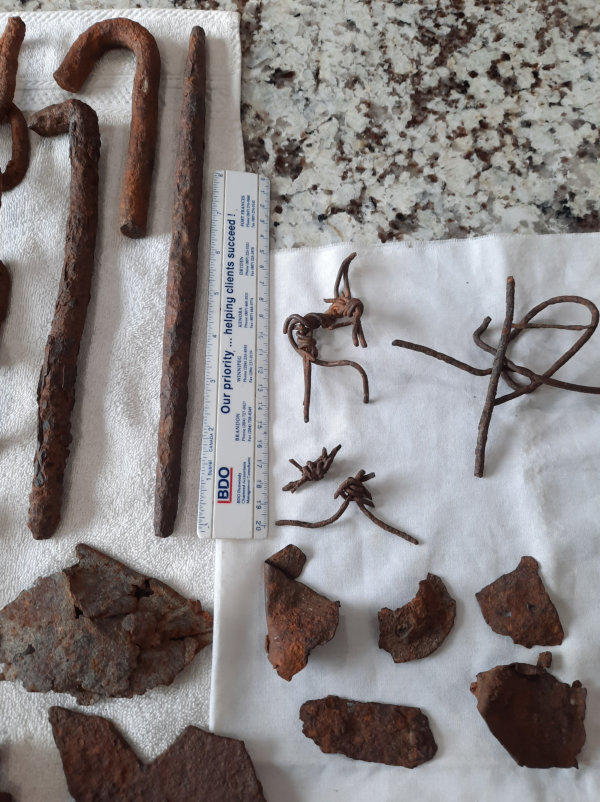
On
the
panel
showing
the
iron
finds,
you’ll
see
the
form
used
by
a
cobbler
to
make
a
child
size
shoe.
Unfortunately,
there
were
no
inscriptions
on
the
cigarette
lighter.
The
grayish
looking
single
stone
with
the
exclamation
mark
down
its
center is a whetstone.
Yes,
all
of
this
material
was
just
lying
on
the
ground.
I
can
only
imagine
what
else
lies
hidden
just
below
the
surface.
Roger




May 28, 2026 - Red River Lot 105. St. Pie, Manitoba
May 28, 2026
Red River Lot 105. St. Pie, Manitoba.
I
have
a
cousin
near
St.
Pie
that
farms
a
series
of
Red
River
Lots.
St.
Pie
was
another
proto-town,
like
Gaultier,
that
never
grew
and
disappeared
when
the
railway
built
a
train
station
in
Letellier
in
the
late
1890’s.
St.
Pie
is
located
on
the
Old
#
14
Highway
halfway
between
Letellier and Emerson.
I
happened
to
meet
up
with
my
cousin
Alain,
at
a
local
function
last
year
and
the
topic
of
metal
detecting
naturally
came
up.
Alain
was
most
gracious
and
accommodating
to
offer
up
his
farm
fields
to
me
for
detecting.
He
even
pointed
out
choice
locations
where
some
of
the
old
homesteads
could
be
found.
Wow…
it’s
a metal detectorist’s dream come true.
Today,
Randy
and
I
headed
out,
with
old
maps
and
aerial
photographs
in
hand
to
locate
and
to
metal
detect
on
whatever
homestead
site
we
could
find
and
find
we
did.
It
was
a
half
mile
walk
through
a
field
that
had
just
been
seeded.
The
vehicle
had
to
stay
on
the
road.
This
first
site
couldn’t
be
missed,
metal
detector
or
not.
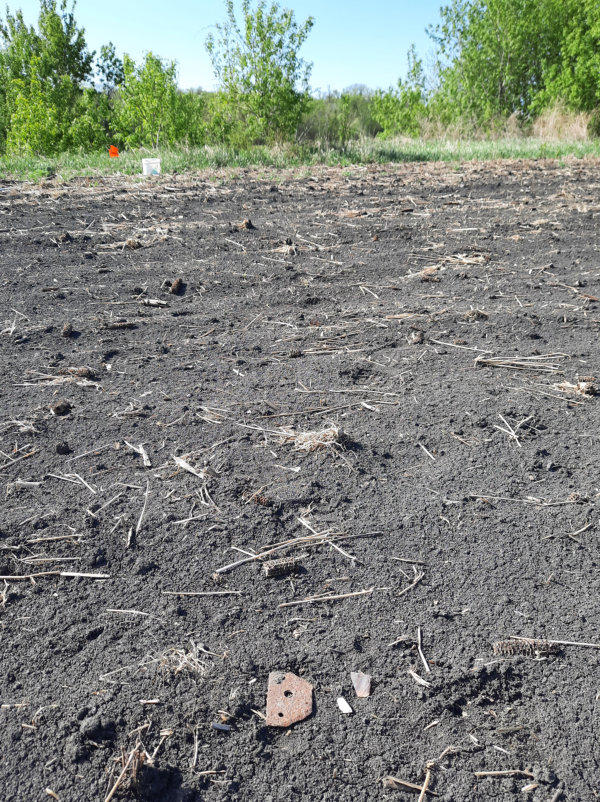
There
is
glass,
ceramic,
and
metal
everywhere
on
the
surface
of
a
slight
ridge
that
gives
in
towards
the
Red
River.
It’s
soo…
hard
for
me
to
resist
picking
up
all
of
the
shards
that
I
see. I’m here to metal detect remember!
Well
we
both
did
great.
There
is
a
lot
more
that
remains
to
be
discovered
here
but
that
will
have
to
be
for
another
day.
This
week
had
been
exceptionally
hot
and
today
quickly
became
a
+30C
day
so
we
headed
back
to
the
vehicle
at
about
noon,
having
put
in
a
good
three
hours
plus into this adventure.
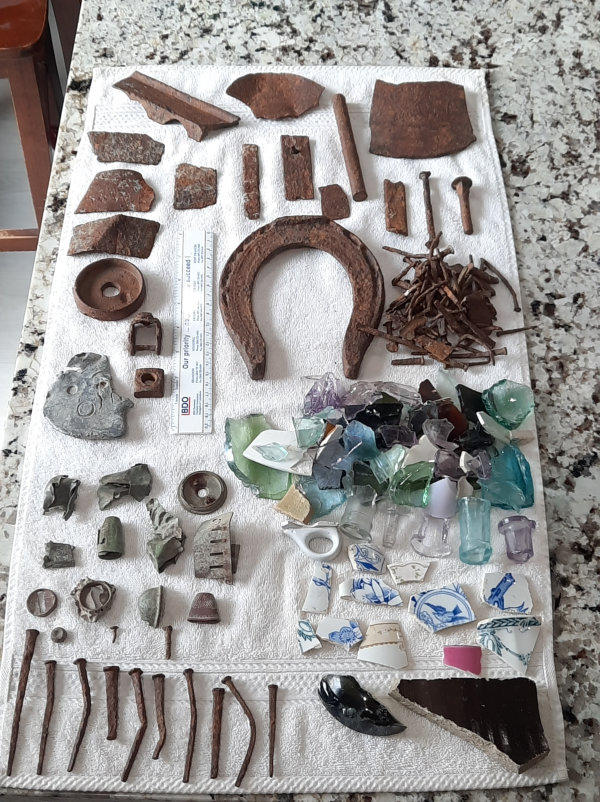
The
pictures
feature
both
Randy’s
finds
and
mine.
The
finds
in
the
bucket
are
as
they
come
out
of
the
field
(not
a
pretty
sight)
and
the
next
picture
shows
them
all
cleaned off and displayed.
I
cannot
emphasize
enough
the
benefit
of
cleaning
all
of
your
finds
as
you
never
know
what
significant
detail
may
be
revealed
from
under
decades
of
soil,
dirt,
and
corrosion.
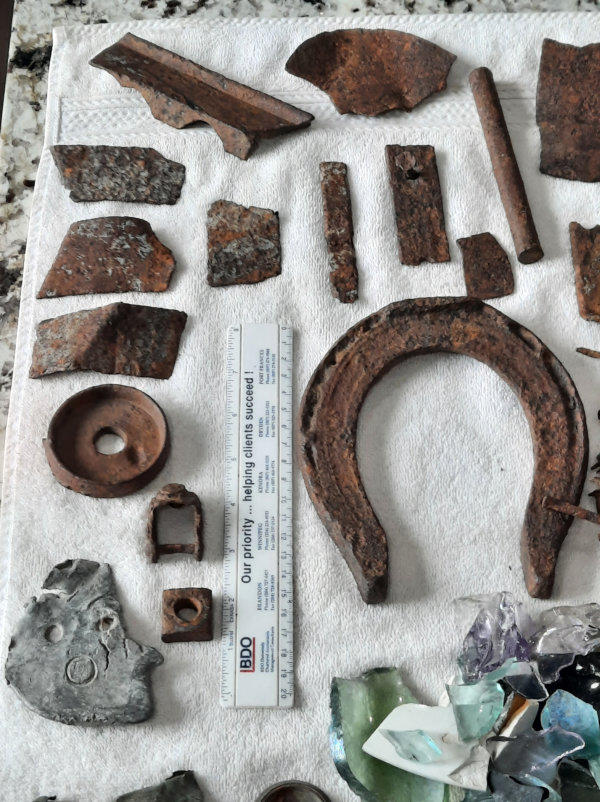
The
most
exciting
and
historic
find
was
a
Canada
Militia
button.
Other
than
being
corroded,
it’s
in
perfect
condition.
The
thread
holding
it
in
place
must
have
broken
because
the
clasp
on
the
back
is
complete
and
intact.
I
have
no
idea
what
the
curled
up
piece
of
copper
is
but
I
don’t
dare
unroll
it
so
as
to
not
damage
it
further.
The
sewing
thimble
is
also
very
cool.
I
ultimately
did
pick
up
some
glass
and
choice
ceramic
shards.
The
images
and
designs
are
stunning.
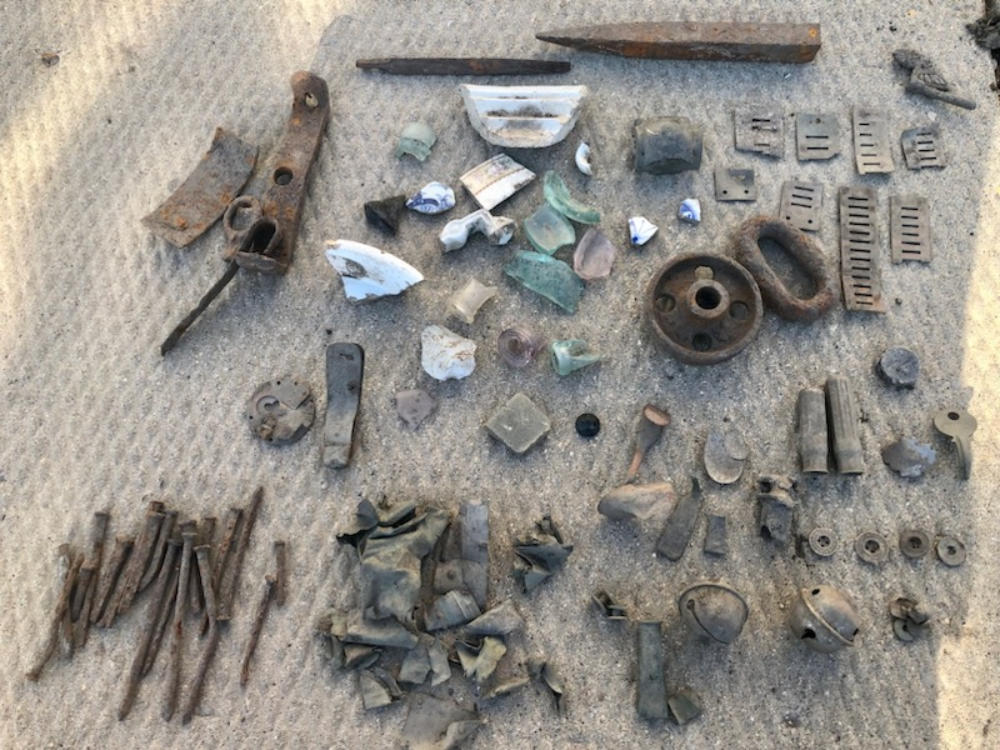
Randy
and
I
both
found
harmonica
reeds
and
horse
collar
bells.
There
is
also
a
large
piece
of
lead
with
markings
left
by
someone
working
on
it.
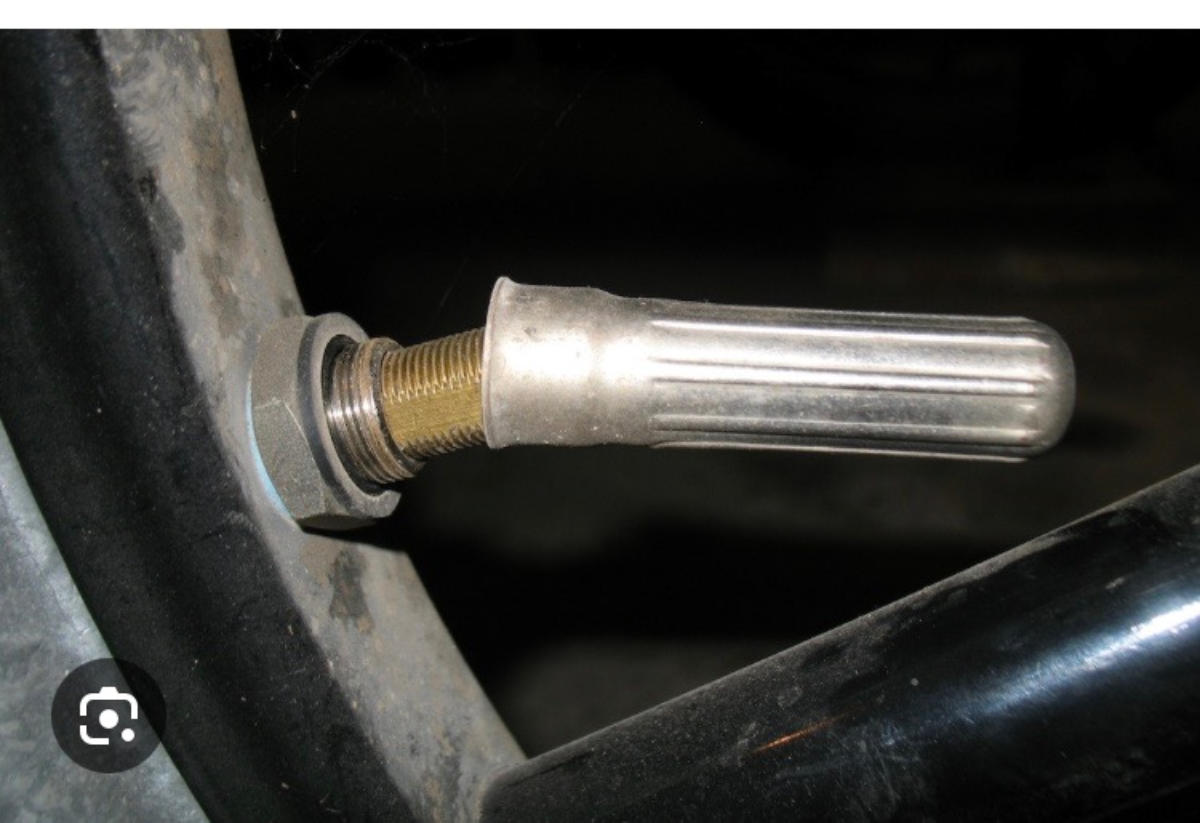
In
Randy’s
finds,
you’ll
see
two
Model
T
tire stem covers or protectors.
Roger